

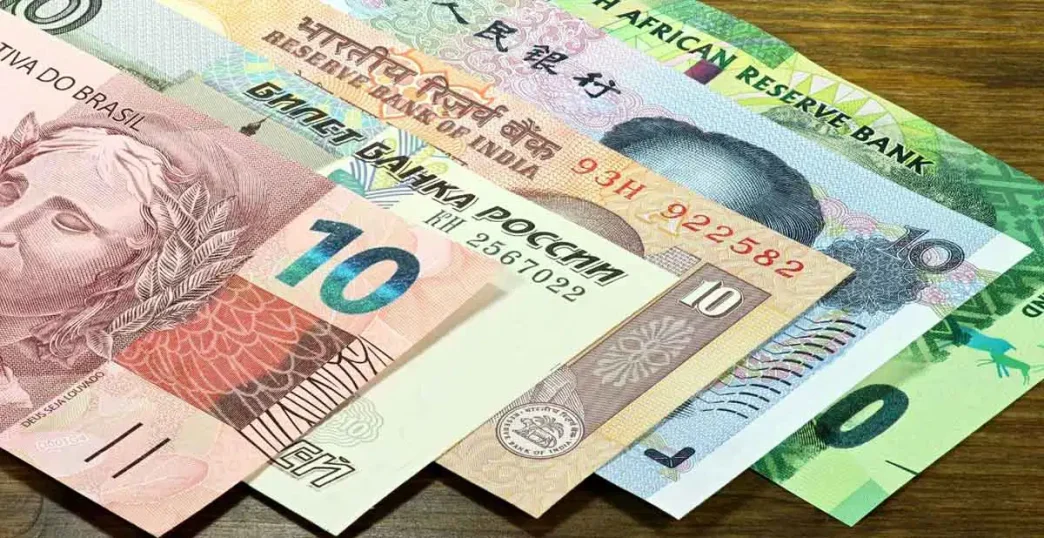
The 2025 BRICS trade wars are intensifying, with the BRICS nations playing a crucial role in shaping the global economic landscape. The US has imposed significant tariffs on countries like China and India, leading to retaliatory measures and escalating trade tensions. How is the intergovernmental organization working around it? (US 100% tariff on Chinese EVs)
BRICS in the Global Economy
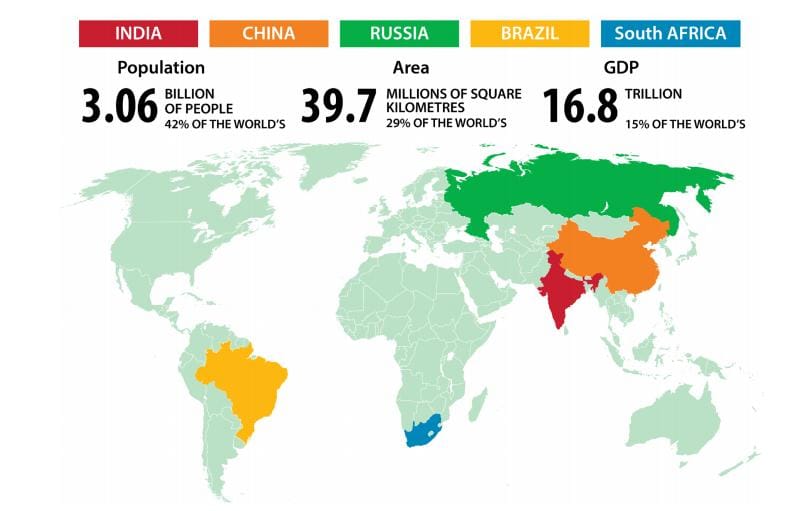
The BRICS bloc, consisting of Brazil, Russia, India, China, South Africa, and other countries, accounts for nearly half of the world’s population, 36% of global GDP, and a quarter of global trade. This emerging economic powerhouse is navigating trade wars by developing alternative markets, strengthening intra-BRICS trade, and fostering regional economic partnerships. (BRICS official overview; IMF WEO 2025)
BRICS Trade Wars and De-dollarization
One of the key aspects of the BRICS trade wars is currency diversification. BRICS nations are exploring local currency trade settlements and discussing a blockchain-based payment system to reduce dependence on the US dollar. This move is seen as a strategic effort to insulate their economies from the impact of US sanctions and trade policies. For instance, BRICS countries have been discussing the possibility of creating a new reserve currency or a gold-backed trade system, which could potentially challenge the dominance of the US dollar in global trade. (New Development Bank – official; Rio Leaders’ Declaration (PDF); analysis: Carnegie)
Trade Expansion and Intra-BRICS Cooperation
In addition to de-dollarization, BRICS nations are also focusing on trade expansion. BRICS trade ministers have agreed to enhance solidarity by promoting trade and investment cooperation, strengthening the multilateral trading system. This commitment to cooperation is crucial in the face of rising protectionism and escalating BRICS trade wars, as intra-BRICS cooperation helps build a more resilient and self-reliant bloc. By fostering greater economic integration among member countries, BRICS can create a more resilient and diversified economic bloc that is better equipped to withstand external pressures. (BRICS Presidency Documents)
Counterbalancing the G7
The BRICS nations are also positioning themselves as a counterbalance to G7 policies. Discussions on geopolitical realignments and potential shifts in global governance are underway, with BRICS nations seeking to promote a more multipolar world order. This shift in global dynamics is likely to have significant implications for international trade, investment, and economic development. (European Parliament brief on BRICS expansion)
Green Energy Partnerships and Sustainable Development
Furthermore, BRICS nations are focusing on green energy partnerships, climate finance, and sustainable development. The bloc is exploring opportunities for cooperation on renewable energy projects, such as solar and wind power, and critical minerals essential for the transition to a low-carbon economy. This commitment to sustainable development is not only crucial for addressing the challenges of climate change but also presents opportunities for economic growth and job creation. (IEA Renewables 2024; Global Energy Monitor: Energy in the BRICS) → More on tech & climate: BRICS Technology.
Global Implications of BRICS Trade Wars
The global implications of the BRICS trade wars are significant. The US has imposed significant tariffs on countries like China and India, leading to retaliatory measures and escalating trade tensions. A 100% tariff on BRICS countries could significantly impact global trade, with China’s GDP potentially being hit the hardest. However, BRICS nations are adapting to these challenges by diversifying their economies, promoting regional trade, and exploring new markets. (Reuters tariff coverage) → Youth angle: BRICS Youth Voices.
The BRICS Summit in Rio
The BRICS summit in Rio de Janeiro may mark a pivotal moment in global economics and politics. Potential announcements on a gold-backed trade system or further de-dollarization efforts could have significant implications for the global financial system. The summit is also expected to focus on issues such as the war in Gaza and the conflict in Ukraine, highlighting the complex interplay between geopolitics and economics. (Rio Leaders’ Declaration (PDF); Inc.com: joint statement)
Conclusion: BRICS and the Future of Global Trade
In conclusion, the BRICS nations are playing a crucial role in shaping the global economic landscape in the face of intensifying trade wars. By promoting de-dollarization, trade expansion, and sustainable development, BRICS countries are positioning themselves for long-term economic growth and influence. As the global economy continues to evolve, the BRICS bloc is likely to play an increasingly important role in shaping the future of international trade and economic development.
The BRICS’ response to trade wars also highlights the shifting global dynamics. The bloc’s commitment to multipolarity and its efforts to promote a more inclusive global economic order are likely to have significant implications for international relations and global governance. As the world navigates the complexities of trade wars and economic uncertainty, the BRICS nations are emerging as a key player in shaping the future of global trade and economic development.
In the long term, the BRICS’ efforts to promote economic cooperation and sustainable development are likely to have a positive impact on the global economy. By fostering greater economic integration and cooperation among member countries, BRICS can create a more resilient and diversified economic bloc that is better equipped to withstand external pressures. As the global economy continues to evolve, the BRICS bloc is likely to play an increasingly important role in shaping the future of international trade and economic development.
Overall, the BRICS nations are navigating trade wars by developing alternative markets, strengthening intra-BRICS trade, and fostering regional economic partnerships. The bloc’s commitment to de-dollarization, trade expansion, and sustainable development is likely to have significant implications for the global economy. As the world navigates the complexities of trade wars and economic uncertainty, the BRICS nations are emerging as a key player in shaping the future of global trade and economic development.


