


BRICS media coverage often shapes global narratives. To start with, what is BRICS politics? BRICS politics is a current group of nine countries and they are: Brazil, Russia, India, China, South Africa, Egypt, United Arab Emirates, Ethiopia, and Iran.
BRICS serves as a political and diplomatic coordination forum for countries from the Global South and for coordination in the most diverse areas, as outlined in the official BRICS overview.
This article often revolves around how this group is seen as a threat to the current world order which is largely led by Western nations. The focus is frequently on the political tensions and economic competition between them.
BRICS is also often treated as a single entity, ignoring the different interests of each member. Much of this is reinforced by how BRICS media coverage simplifies the alliance in Western narratives.
Additionally, the media’s emphasis on conflict can overshadow BRICS’ potential to improve global governance, boost economies, and help people. The media may overlook the potential BRICS has in collective development of diverse economies, and global governance.
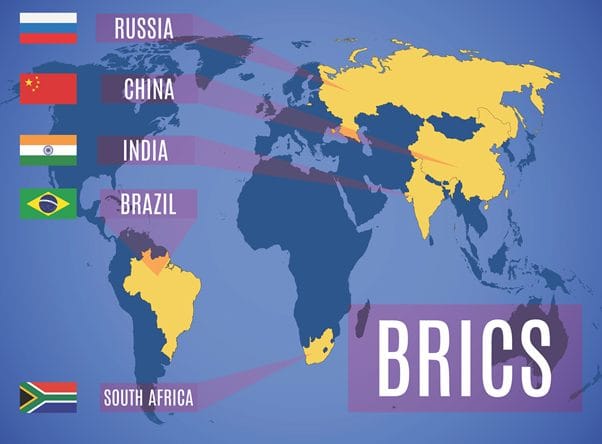
Understanding BRICS Media Coverage: Beyond the Surface
BRICS is more than just economics now, it’s about global power and challenging the West. Though created to balance Western influence, BRICS has internal issues like economic differences and political disagreements. It also faces external pressures from the war in Ukraine and changing global power.
Internal and External Challenges
- Economic Differences: China’s economic strength is much greater than other members, like South Africa or new members like Ethiopia, which could lead to uneven priorities.
- Political Differences: BRICS includes both democracies (India, Brazil) and autocratic countries (China, Russia), making it hard to agree on a common vision.
- Lack of Unity: Some experts believe BRICS lacks the unity and shared goals to be a strong influence.
BRICS Media Coverage: A Different Perspective on Western Media
The way we usually hear about BRICS, the economic alliances of Brazil, Russia, India, China, and South Africa, are often from a Western point of view. This viewpoint tends to highlight potential problems and disagreements within the group, while not giving enough attention to its successes and its growing importance, as shown in this Western media study.
If we look at BRICS media coverage differently, we see a more complex and potentially world-changing story, one that challenges the usual Western media bias. See also this International Journal of Communication study on BRICS and media narratives.
One key thing to understand is that Western media often has its own biases. It tends to focus on the internal issues within BRICS, like how different the countries are politically or economically.
While these are real issues, the Western media sometimes uses them to question whether the group will succeed and to downplay its impact on the world. This approach often misses the things that bring BRICS together, like wanting a world with more than one center of power and wanting to change existing international organizations.
New Development Bank and Global Cooperation
BRICS has created its own financial institutions like the New Development Bank (official), which is an alternative to the World Bank and International Monetary Fund, which are mostly controlled by Western countries. The group also works together on global issues like climate change and trade, and it’s becoming a major voice in international discussions. By focusing on these achievements, we can better understand how BRICS is shaping the 21st century.
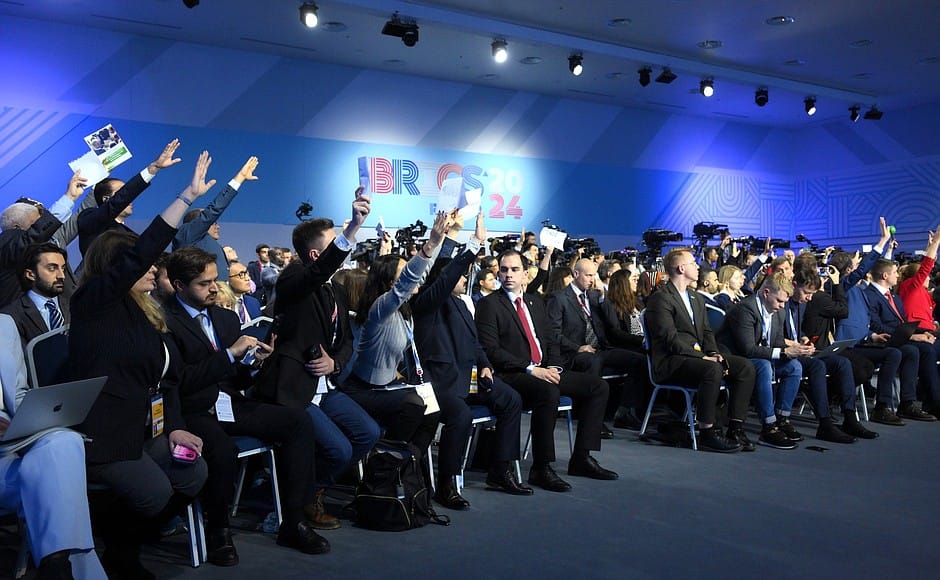
BRICS Media Coverage: Beyond Geopolitics, Exploring the Nuances
The BRICS alliance, comprising Brazil, Russia, India, China, and South Africa, has become a major talking point in global economics and politics. Often, discussions focus on the geopolitical implications – the shifting balance of power, the challenges to Western dominance and the potential for a new world order. But to truly understand BRICS, we need to move beyond these headlines and delve into the internal complexities and multifaceted realities that shape this influential group.
Diversity Within BRICS
One key aspect often overlooked is the vast diversity within BRICS. These nations have different political systems, economic structures and development priorities. China’s state-led capitalism contrasts sharply with Brazil’s more market-oriented approach. India’s democratic framework differs significantly from Russia’s centralized governance. South Africa grapples with post-apartheid challenges, while Russia navigates international sanctions. These internal differences mean that BRICS isn’t a monolith. Instead, it’s a complex coalition of nations with distinct agendas and, at times, conflicting interests.
Economic Realities and the New Development Bank
Furthermore, the economic realities within BRICS are far from uniform. While China has experienced remarkable growth, other member states face economic challenges, including inflation, debt, and inequality. The dependence on commodity exports for some economies creates vulnerabilities to global market fluctuations. The New Development Bank, established by BRICS, aims to address some of these economic disparities, but its impact is still unfolding. Understanding these internal economic dynamics is essential for grasping the true potential and limitations of BRICS.
In Conclusion
To conclude, understanding BRICS politics requires moving beyond simplistic narratives and embracing a more nuanced perspective. By acknowledging the internal diversity, focusing on the ground realities of cooperation, recognizing the internal dynamics, and appreciating the evolving agenda, we can gain a more comprehensive understanding of this influential group and its role in shaping the future of the world.


