


BRICS Africa trade is at the center of global realignment. The 2024 expansion of BRICS+ to include Egypt and Ethiopia was more than symbolic, it was a clear declaration of intent. BRICS+, once an acronym for promising emerging markets, is now actively building a coalition that places the Global South and in particular Africa, at the very center of its strategic growth and expansion. Known for its vast natural resources, youthful population, and rapidly growing markets, Africa represents both an opportunity and a strategic necessity for BRICS+ nations to deepen diplomatic alliances and reshape the balance of power in global commerce.
This article explores why BRICS+ is focusing on Africa, and what this partnership could mean for international trade.
Why BRICS Africa Trade Matters
1. Resource Wealth
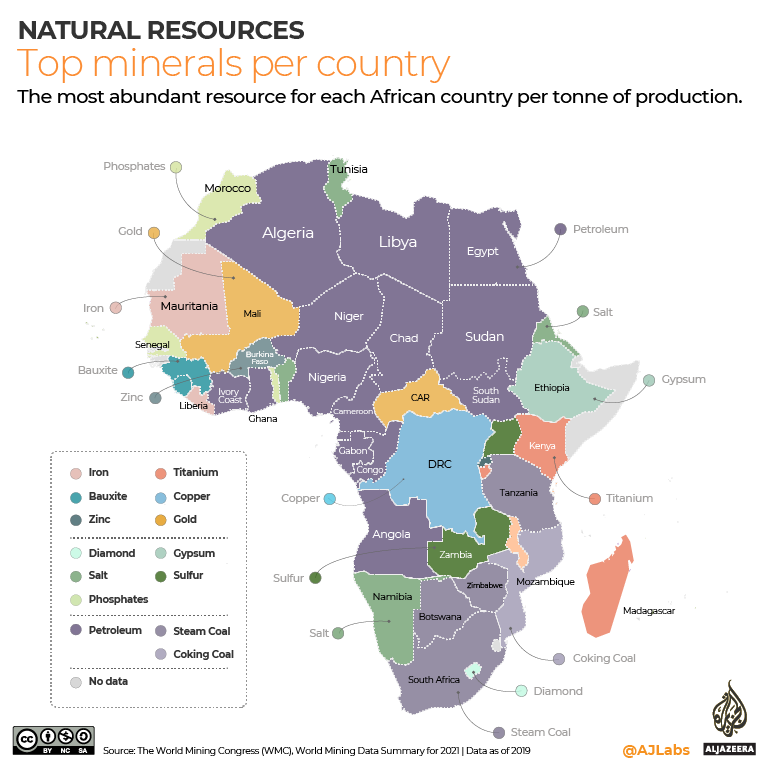
Africa holds approximately 30% of world’s mineral reserves. From Democratic Republic of Congo’s cobalt, essential for electric vehicle batteries, to Nigeria’s vast oil reserves not to mention the agricultural potential of nations across the entire continent, Africa holds the keys to the future supply of raw materials that fuel the industrial engines of China, India and Russia. (ISS African Futures)
2. Demographic Advantage
According to the United Nations Economic Commission for Africa (UNECA), Africa has a population of over 1.4 billion (2024), majority being youths. It is projected to have the largest, vibrant, and most productive labor force in the world by the year 2050. (2.5 billion people). With a population of 1.4 billion in 2024, mostly youth, Africa is projected to have the world’s largest and most productive labor force by 2050 (2.5 billion people). (UN DESA, World Population Prospects)
3. Geographical Advantage
With access to both Atlantic and Indian Oceans, Africa already serves as a natural hub for global shipping and logistics (UNCTAD, Review of Maritime Transport).
4. New Financial Architecture
For decades, African nations seeking development funding had to turn to western-led institutions such as World Bank and IMF, which offer stringent policy conditionalities. The BRICS+ led New Development Bank (NDB) offers a powerful alternative. It offers financing for crucial infrastructure projects including railways, ports and energy grids- with fewer strings attached, viewed more as a partnership of peers rather than a donor-recipient relationship. This appeals deeply to African leaders and nations eager to chart their own economic development destiny.
5. The Geopolitical Power Game
At the core of BRICS+ project is to establish a new multipolar world order that challenges the domination of the G7. By bringing Africa nations to the table, BRICS+ will gain significant political muscle. This bloc can vote as a more unified front in international forums like the United Nations, prioritizing reforms that give greater voice to the Global South, shifting global gravitation away from Washington and Geneva to BRICS+ influenced spheres.
Reshaping Global Trade: BRICS Africa Trade Corridors
BRICS-Africa nexus is not just theoretical, it is actively developing trade and infrastructure partnerships across Africa and the implications are profound and multifaceted.
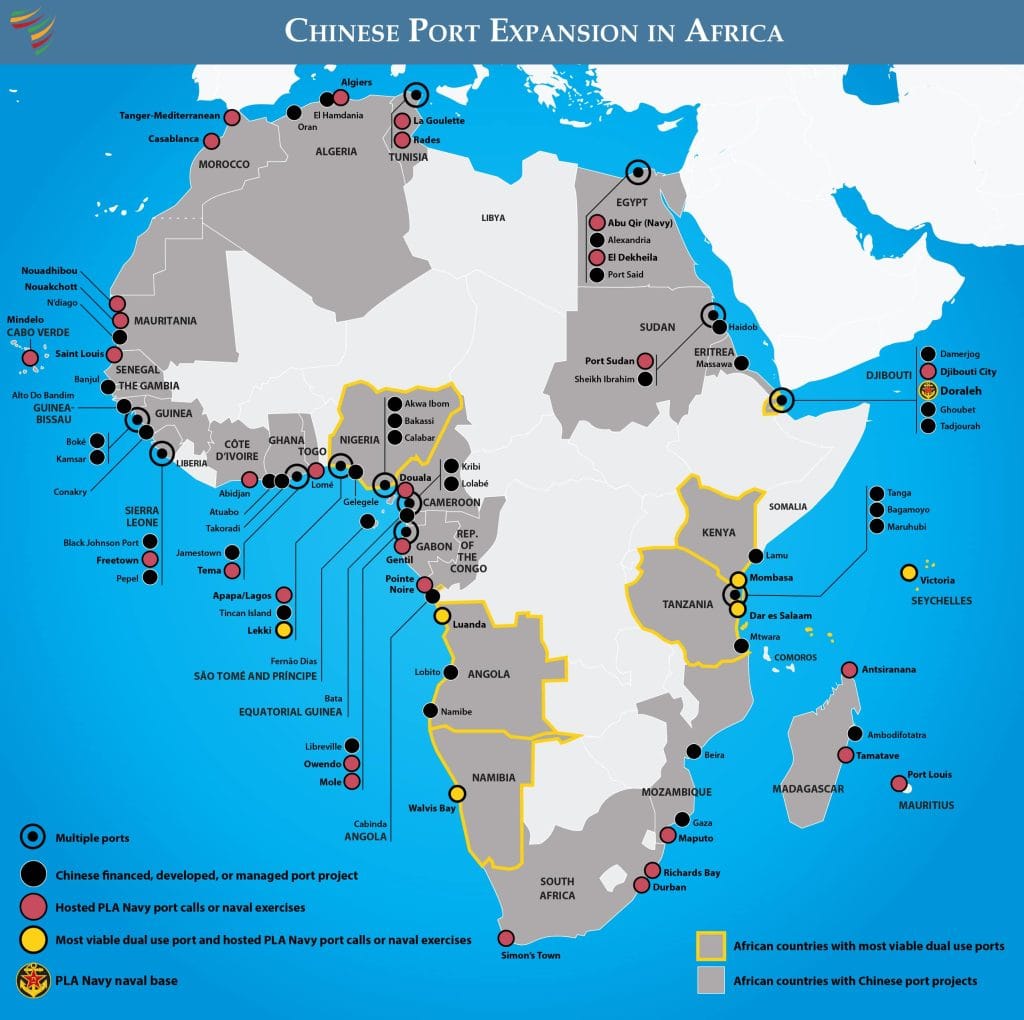
- China’s Belt and Road Initiative (BRI) China’s trade with Africa surpassed $280 billion in 2023, making China the continent’s largest bilateral trading partner (official GACC data via State Council). Through its BRI, it has financed major Africa infrastructure, from ports in Djibouti to railways in Kenya. For policy framing, see the BRI White Paper (SCIO) and the official Belt and Road Portal. For lending series, see the CARI/BU Chinese Loans to Africa Database.
- India-Africa commerce has grown by more than 30% in the last five years, especially in pharmaceuticals, textiles and IT services (CII India–Africa Report 2024; India Commerce Ministry).
- Russia has deepened energy and mining deals, especially in Southern Africa (see sectoral coverage in Afreximbank African Trade Report 2024).
- South Africa, a founding member of BRICS, acts as a gateway for regional trade integration.
De-dollarization and BRICS Africa Trade Finance
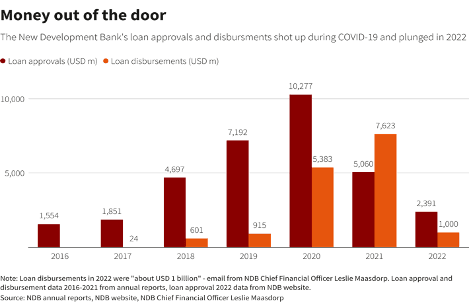
BRICS+ nations are increasingly settling trade in local currencies, expanding the role of the New Development Bank (NDB) in the process thereby effectively reducing dependence on the U.S dollar. In 2025 alone, The NDB committed more than $12 billion to Africa energy and digital trade projects.
For African nations, this move insulates their economies from the volatility of U.S monetary policy and weaponization of the dollar through sanctions. While full displacement of the dollar is a distant prospect, this move by BRICS+ reduces its dominance and provides the dollar with formidable competition into international finance.
Implications of BRICS Africa Trade for the Global Economy
Although the narrative portrayed by BRICS+ is that of partnerships of equals, the relationship does have some lingering questions. Concerns have grown over the “debt-trap diplomacy,” particularly in relation to large-scale infrastructure loans from China, being the most prevalent. Questions remain whether this partnership will lead to genuine industrialization and knowledge transfer in Africa or simply continuing a colonial style dynamic of resource extraction.
Be it as it may, the BRICS-Africa nexus is truly a defining feature of the new global economy. It offers Africa unprecedented choice of alternative partners, breaking the long-standing status quo in international development and trade. For the rest of the world, it represents a shift towards a new map of influence; politically, economically and commercially; with bold lines being drawn connecting the continents of Global South.


